.png)
The Hidden Impact of Pollution: What We Don’t See Still Hurts Us
- Fenntartható Ifjúságért Egyesület

- márc. 25.
- 2 perc olvasás

Pollution is often associated with visible damage smog-filled skies, littered streets, or contaminated rivers. However, some of the most harmful effects of pollution are not immediately noticeable. Invisible pollutants in the air we breathe, the water we consume, and even the environments we inhabit can silently affect our health and well-being over time. These hidden impacts are often underestimated, yet they pose serious long-term risks to both individuals and communities.
Air pollution, for instance, is not always visible to the naked eye. Fine particulate matter and toxic gases can penetrate deep into the lungs and bloodstream without any immediate symptoms. Over time, exposure to polluted air can lead to respiratory diseases, cardiovascular problems, and weakened immune systems. Vulnerable groups, such as children and the elderly, are especially at risk, making this an urgent public health concern.
Water pollution presents another silent threat.
Harmful chemicals, microplastics, and industrial waste can contaminate water sources without altering their appearance. As a result, people may unknowingly consume polluted water, leading to serious health issues such as organ damage, hormonal imbalances, and long-term chronic illnesses. Additionally, polluted water disrupts ecosystems, threatening aquatic life and reducing biodiversity.
Noise pollution is often overlooked because it leaves no visible trace. Yet constant exposure to high noise levels can significantly impact mental and physical health. It can lead to stress, sleep disturbances, reduced concentration, and even increased risk of heart disease. In urban environments, where noise from traffic, construction, and industrial activities is constant, these effects can accumulate and diminish overall quality of life.
Visual pollution, while less discussed, also plays a role in shaping our well-being. Cluttered urban landscapes filled with excessive advertisements, poorly planned infrastructure, and waste can create feelings of stress and discomfort. Over time, such environments can negatively influence mental health and reduce people’s connection to their surroundings.
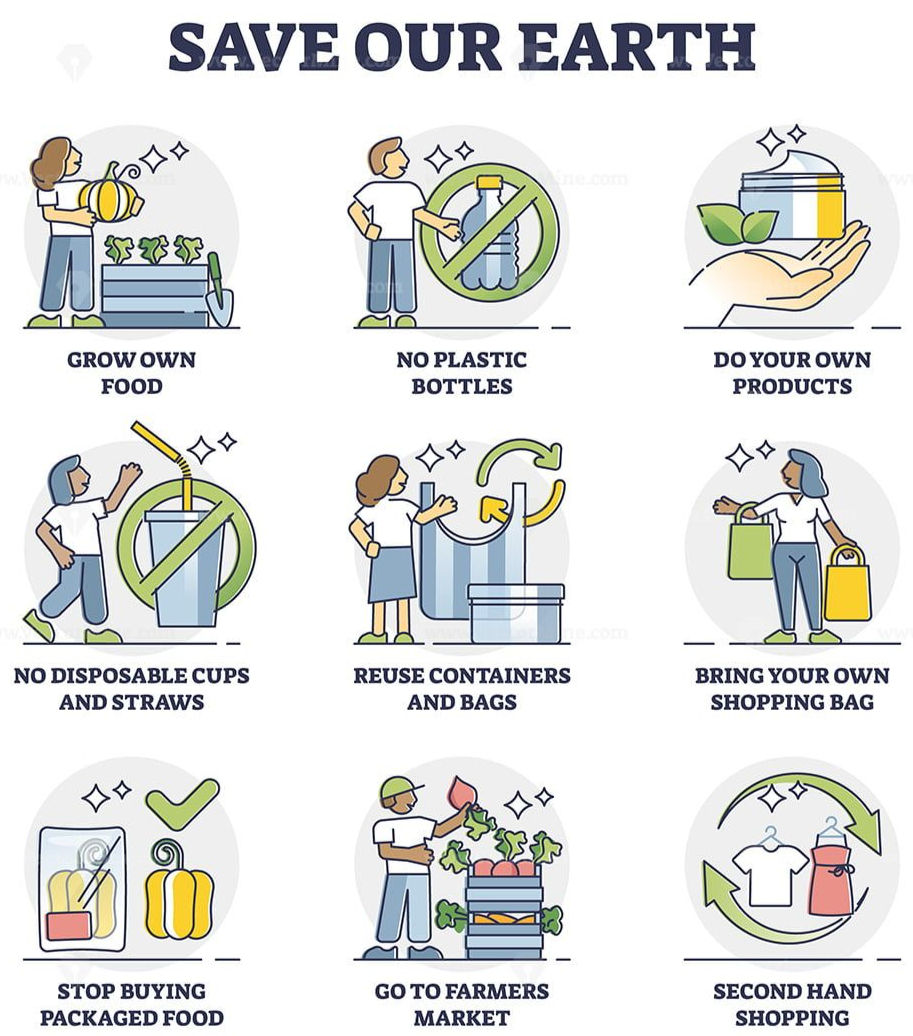
Addressing these hidden forms of pollution requires greater awareness and collective action. By understanding that not all pollution is immediately visible, individuals and communities can take more informed steps toward sustainable living. From reducing waste and conserving resources to supporting environmentally responsible policies, every action contributes to protecting both current and future generations.